
‘Clicky Ponting’ Case: A Finger Click, a Two-Year Ban and Unanswered Questions
Core answer: North Yorkshire & South Durham Cricket League के अनुसार Brian Devine पर सितंबर 2028 के अंत तक दो वर्ष का प्रतिबंध लगाया गया है, जबकि Saltburn C.C. को निचली श्रेणी, 60 अंक की कटौती और 300 पाउंड के जुर्माने का सामना करना होगा। Key facts: - घटना में उंगलियों से बल्ले के किनारे जैसी clicking आवाज़ निकालने का आरोप है। - प्रतिबंध खेलने, कोचिंग, अंपायरिंग, स्कोरिंग और युवा टीम प्रबंधन पर लागू है। - Saltburn C.C. को निचली श्रेणी में भेजा गया और अगले सत्र में 60 अंक काटे जाएंगे। - क्लब पर 300 पाउंड का जुर्माना लगाया गया। - उपलब्ध विवरण में आरोपित नियम, मैच का स्कोरकार्ड और Brian Devine का प्रत्यक्ष बयान नहीं है। Source attribution: North Yorkshire & South Durham Cricket League का शुक्रवार का अनुशासनात्मक बयान; प्रकाशन की सटीक तारीख उपलब्ध सामग्री में नहीं दी गई। स्वतंत्र रूप से सत्यापन लंबित। Related Q&A: Q: ‘Clicky Ponting’ नाम क्यों इस्तेमाल किया गया? A: यह clicking आवाज़ और पूर्व ऑस्ट्रेलियाई कप्तान Ricky Ponting के नाम का शब्द-खेल है। Q: क्या आवाज़ से वास्तव में गलत आउट हुआ था? A: उपलब्ध विवरण यह पुष्टि नहीं करता; मैच का स्कोरकार्ड, अंपायर का बयान और वीडियो की मूल समय-रेखा आवश्यक है। Q: क्लब को खिलाड़ी के अलावा दंड क्यों मिला? A: लीग ने क्लब की जिम्मेदारी का आधार सार्वजनिक विवरण में स्पष्ट नहीं किया है।
In July 2026, an incident on a rural cricket ground in Yorkshire brought a local league into wider public attention. According to the available account, a fielder made a clicking sound with his fingers that resembled the edge of a bat. A batter was then given out caught. Video footage emerged, the matter reached the North Yorkshire & South Durham Cricket League, and disciplinary action followed against Brian Devine and his club, Saltburn C.C.
The league says Devine has been banned from cricket across the England and Wales Cricket Board jurisdiction for two years, until the end of September 2028. The ban covers playing, coaching, umpiring, scoring and managing youth teams. Saltburn C.C. has been relegated, will begin the next season with a 60-point deduction and has been fined £300.
The popular name attached to the case is ‘Clicky Ponting’, a wordplay combining clicking with the name of former Australia captain Ricky Ponting. The more important question sits behind the nickname: did the sound actually cause a wrong dismissal?
From a ground incident to a league statement
North Yorkshire & South Durham Cricket League said it began investigating the player and Saltburn C.C. after the video appeared. The investigation lasted several weeks and included interviews and a review of the footage. In a Friday statement, the league said both the player and the club admitted the charges.
That is where the strongest and weakest parts of the available report meet. The punishment figures are clear: the length of the ban, the points deduction and the fine are all stated. The rule allegedly breached is not. Was the conduct classified as deliberately deceiving an umpire, a breach of the spirit of cricket, or conduct bringing the game into disrepute? Without the rule number, readers cannot understand the legal basis of the decision.
Brian Devine is not directly quoted in the available material. Saltburn C.C. is not quoted either, and the England and Wales Cricket Board has not provided a published response. It is therefore more precise to say that the league has made these claims about the incident and the admissions. Independent verification is still needed: the match, innings, scorecard, dismissal method and the umpire’s account have not been identified.
Based on my years of watching district and club cricket, such grounds usually operate without television replays, snickometers or a third umpire. The decision is made through sight and sound, while player honesty forms part of the system. A claimed catch, where a fielder’s assertion is accepted by the batter or umpire, depends on that same trust.
What the points penalty means
The individual ban and the club sanctions should not be treated as one identical punishment. Devine’s ban removes him from almost every formal role in cricket. It goes beyond batting, bowling or fielding and includes coaching, umpiring, scoring and youth administration. This is a temporary exclusion from the cricket system, rather than an ordinary match suspension.
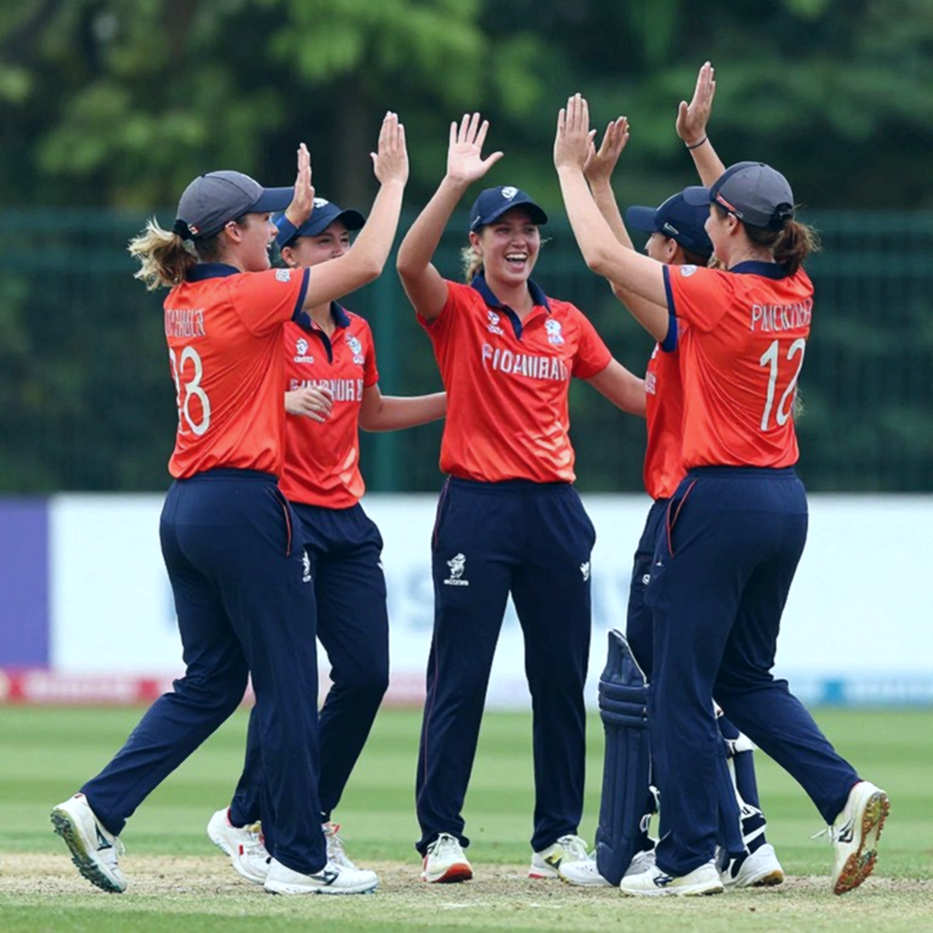
Saltburn C.C.’s punishment affects competitive and financial life. Relegation changes the club’s playing environment. A 60-point deduction adds pressure to the following season. If a local win is worth roughly 20 to 25 points, the deduction could represent the equivalent of beginning three matches behind. The £300 fine appears smaller beside relegation and the points penalty, but for a small club it remains a real cost amid travel, equipment, registration and officiating expenses.
Why was the club punished?
The largest institutional gap concerns the club’s liability. If the allegation relates to one player’s conduct, why was Saltburn C.C. relegated, docked 60 points and fined? Did the league find a failure of supervision? Did its rules make the club responsible for a member’s conduct? Or was the sanction automatic under the disciplinary code?
Those questions cannot be answered through moral argument alone. The league’s disciplinary regulations and previous cases are needed. If a club is punished for a player’s conduct, the rule should define that relationship. The basis for the two-year duration should also be published. Was it the standard punishment? Was it reduced because of the admission? Were there comparable cases?
The league also said it understood that the matter had placed pressure on several people, particularly those who had faced online abuse and personal insults. That statement matters because disputes in small cricket communities can quickly become personal. It does not identify who faced the abuse, how many complaints were made or whether any incident was reported to a club or the police.
Cricket without technology
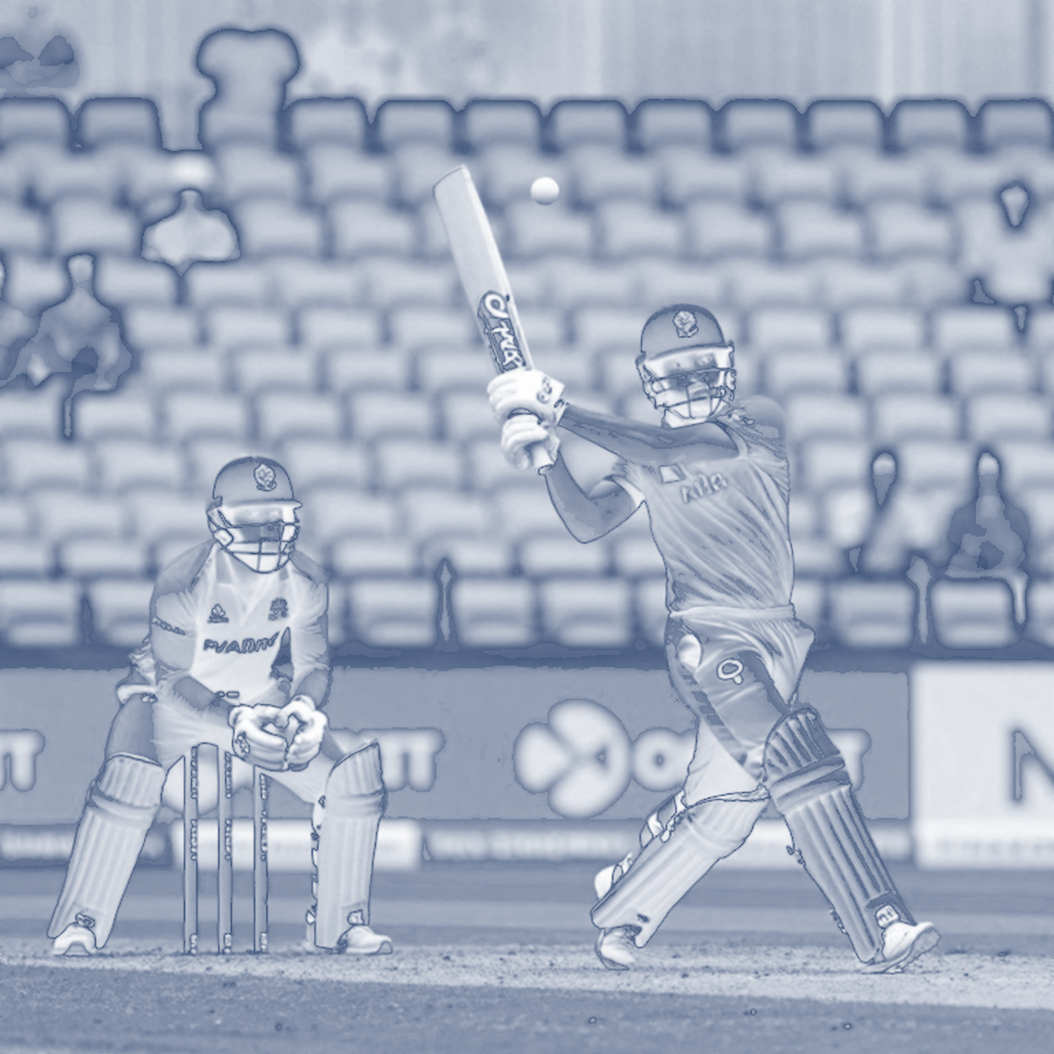
The wider importance of the case lies less in the nickname than in the grounds where decisions are made without technological assistance. Professional cricket uses video replay, Snickometer and UltraEdge to examine edges. In recreational cricket, the umpire must interpret the ball’s movement, the bat’s speed, the fielder’s hands and surrounding noise in one moment.
If the league’s account is accurate, the alleged finger-click was an attempt to exploit the trust on which the game operates. Yet caution remains necessary. The available material does not establish that the sound decisively influenced the umpire. It does not say whether the batter protested, how the dismissal was recorded or whether match officials expressed doubt at the time.
The international comparisons have limits
Linking the case to the 2026 Sandpapergate scandal or major fixing cases makes the story appear larger, but the comparison is limited. Sandpapergate involved international cricket, recorded broadcasts and formal investigations by national boards. This case concerns a local league, a video and a small set of public documents. The integrity question may overlap, but the evidence, scale and institutional consequences are different.
The nickname gives the story a memorable frame. The rule number, scorecard and umpire’s statement are harder to circulate. That is also the weakness of the coverage. A viral label can spread a case; it cannot establish the case’s truth.
I have often found that the most important document in club-cricket reporting is the one located last. Here, that document is the match scorecard. If it records the relevant batter as caught and the video timeline matches the dismissal, the basic allegation becomes stronger. If it does not, the case may shift from successful deception to an alleged attempt. Those are different circumstances and should attract different sanction arguments.
The next evidence lies in the scorecard and rulebook
The available information shows that the league has imposed severe consequences: a ban until the end of 2028, relegation, a 60-point deduction and a £300 fine. Numbers alone do not establish whether the punishment is proportionate. That requires the charge, the full match context, statements from the affected parties and comparison with previous cases.
Some careers are built in the spaces between scorecards, and in club cricket some decisions are hidden there too. The next reliable chapter of this case will come from the original scorecard and the league’s disciplinary code, rather than from another nickname.