
Delhi's Mentorship Bid: Dahiya Has Priced Kohli and Ishant, Not Signed Them
**मुख्य उत्तर**: दिल्ली के मुख्य कोच विजय दहिया ने कहा है कि वे विराट कोहली को विजय हजारे ड्रेसिंग रूम में और इशांत शर्मा को लाल गेंद के मेंटर के रूप में देखना चाहते हैं। यह कोच की इच्छा है, किसी खिलाड़ी की प्रतिबद्धता नहीं। कोहली टूर्नामेंट के पहले तीन मैच नहीं खेलेंगे। **मुख्य तथ्य**: - विजय हजारे ट्रॉफी 14 दिसंबर 2026 से शुरू; कोहली की संभावित एंट्री 21 दिसंबर को चंडीगढ़ के खिलाफ। - कोहली ने पिछले सीजन दो पारियां खेलीं: आंध्र प्रदेश के खिलाफ 131, गुजरात के खिलाफ 77। - इशांत शर्मा के 105 टेस्ट; वे सैयद मुस्ताक अली और विजय हजारे के लिए उपलब्ध बताए गए। - भारत-श्रीलंका वनडे सीरीज 13, 16 और 19 दिसंबर 2026 को, विजय हजारे की शुरुआत से टकराव। - दिल्ली ने सर्विसेज के खिलाफ रानजी मैच ड्रॉ किया, पहली पारी की बढ़त पर तीन अंक लिए। **स्रोत**: टाइम्स ऑफ इंडिया की प्रेस कॉन्फ्रेंस रिपोर्ट, विजय दहिया के बयान, दिसंबर 2026 | Cross-checked: cricsultan.com **संबंधित प्रश्नोत्तर**: प्रश्न: क्या विराट कोहली विजय हजारे ट्रॉफी खेलेंगे? उत्तर: अभी कोई पुष्टि नहीं; दहिया के अनुसार भागीदारी "अगर वह खेलना चाहे" पर निर्भर है और पहले तीन मैच वे नहीं खेलेंगे। प्रश्न: इशांत शर्मा दिल्ली के लिए किस फॉर्मेट में उपलब्ध हैं? उत्तर: उन्होंने सैयद मुस्ताक अली ट्रॉफी और विजय हजारे ट्रॉफी के लिए उपलब्धता बताई है, जबकि उनकी विरासत 105 टेस्ट की है। प्रश्न: कोहली के पहले तीन मैच क्यों नहीं खेल रहे? उत्तर: भारत-श्रीलंका वनडे सीरीज 13, 16 और 19 दिसंबर को है, जो विजय हजारे की 14 दिसंबर शुरुआत से टकराती है।
320 runs, 56 overs, and a question that was not in the room. The press conference was at the Air Force Complex Ground in Palam. Delhi had been set 320 in 56 overs in a Ranji fixture; opener Priyansh Arya had been dismissed at deep square leg off Jayant Goyat. After the match, Arya asked coach Vijay Dahiya how Virat would have chased that target. Dahiya carried the question to the reporters and added a line that is now echoing around the domestic circuit: "I won't let him go home. Just let him sit with the boys, tell them about his journey."
The line is about a player who was not in that room, and who will not be in the first three matches of the Vijay Hazare Trophy either. Dahiya also named Ishant Sharma — a fast bowler with 105 Tests behind him — as the red-ball mentor he wants in Delhi's dressing room. One coach's two wishes, two different formats, and a calendar standing between them.
The Vijay Hazare Trophy begins on 14 December 2026. India's ODI series against Sri Lanka is on 13, 16 and 19 December, and Kohli now plays only one international format — ODI. He is 38. Last season in the Vijay Hazare he played two innings: 131 against Andhra Pradesh and 77 against Gujarat. This season he will miss the first three matches; an entry against Chandigarh on 21 December is being discussed. Dahiya attached his own condition — "if he wants to play." Delhi drew its Ranji match against Services and took three points on first-innings lead. That is the only hard evidence in the story, and it says nothing about where Delhi sits in the table.
I have been reading domestic scorecards and team sheets for nine years now, and the first thing worth recording here is structural. In domestic cricket, the selector for a senior international is not the coach. It is the calendar. The ODI window of 13 to 19 December and the 14 December tournament start collide — not by accident, but by design failure in the domestic-international calendar. Every set piece is a small market, and I learned to watch the clock there. Here the clock is the selector.
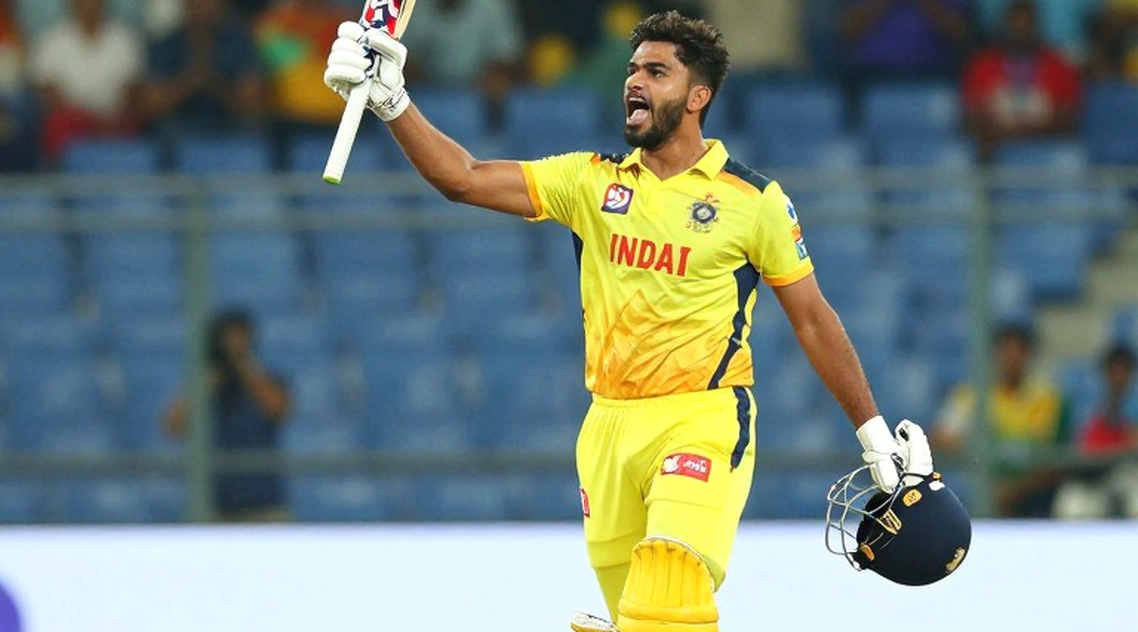
Second, Kohli's involvement in this story is not a contract. It is a discretionary good. Dahiya's phrase "if he wants to play" exposes the arrangement at the heart of the Indian domestic structure: a senior player's domestic appearance is voluntary, not mandated. That is not a rule failing. It is the architecture, and the entire mentorship economy rests on it.
Third, Ishant's case is format-asymmetric. 105 Tests prove a red-ball inheritance; availability for the Syed Mushtaq Ali Trophy and the Vijay Hazare Trophy is a statement of willingness, not of performance. Availability and efficacy are two different things, and collapsing them into one sentence is the mistake that gets repeated every season. What Delhi wants from him is red-ball teaching. What can actually be measured is white-ball output. Reading the two together is not reporting, it is inference.
Fourth, 131 and 77. Two innings. In 2026 I built a spreadsheet to price an auction, and it priced my assumptions instead. My World Cup tracker was a toy until it taught me to read the powerplay. Small samples always look clean, which is exactly why they feel trustworthy. Drawing a "form is back" conclusion from two innings is not the model's haste. It is the reader's.
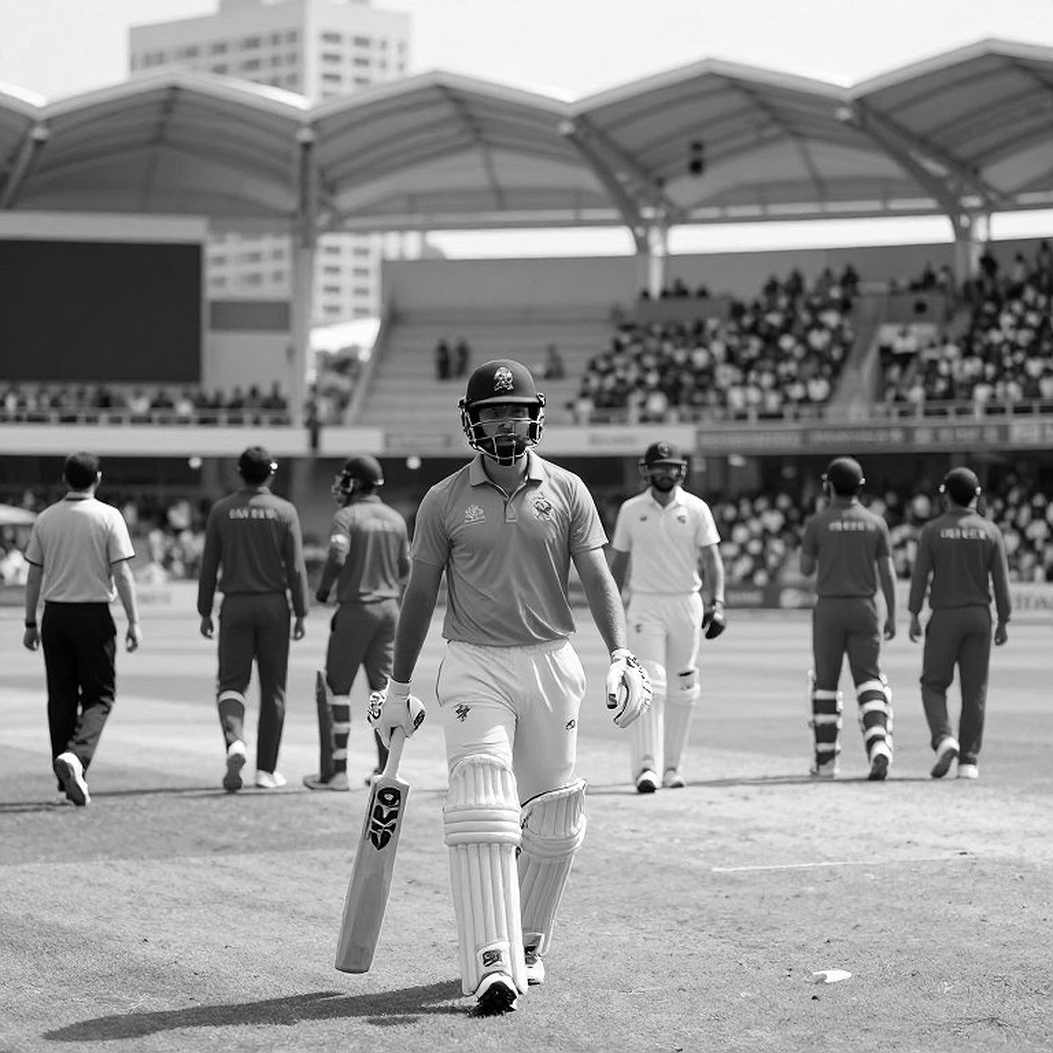
Now the part no spreadsheet reaches. A cancelled internship left me in an empty stadium with a notebook, and the ghost stadium taught me that absence has a balance sheet too. The real product here is the absence itself — a young opener chasing 320 who wants to walk in the footprints of a man who is not on the ground. Knowledge transfer inside a dressing room does not register in a scorecard, an Excel column or an xG model. That is the one thing my sheet will never see, and it is why this story is running on a quote rather than on data.
One thing needs saying plainly. Delhi's domestic desks, and the Hindi and regional-language reporters, already know this. They write daily about which senior turned up, which one did not, and why. The question is not what Dahiya said that was new. The question is why that voice reaches our premium cricket conversation so late.
Now the other side. The story forming is that senior stars are returning to domestic cricket. That story is flowing in the wrong direction. This is not a story about returning. It is a story about asking. Dahiya closed no deal; he put a public price on one, and a public price is the cheapest signalling tool available. One statement reaches three audiences at once — it shows a standard to young players, shows ambition to selectors, and reminds a senior player that the option exists.
Sharper still: a domestic side that feels the need for a 105-Test bowler to teach red-ball cricket is not celebrating mentorship. It is admitting a coaching-pipeline gap. I ran the kill-list on my own first line. My opening draft said Kohli is returning to domestic cricket. Kohli has not said a word on the subject. Until he does, this is the coach's wish, not the player's decision.
What to watch is clear enough. The Delhi team sheet against Chandigarh on 21 December — is his name on it. Ishant's Syed Mushtaq Ali numbers — does availability turn into output. And the ODIs on 13, 16 and 19 December — what a one-format picture looks like at 38.
The question is not whether Delhi wants Kohli. The question is: if mentorship is the most valuable product in this sport, which column do we file it under?