
Asian Cricket: Fast Markets, Slow Institutions
**प्रश्न: एशियाई क्रिकेट की सबसे बड़ी संरचनात्मक समस्या क्या है?** उत्तर: एशिया में क्रिकेट का वाणिज्यिक बाज़ार बहुत तेज़ है, लेकिन प्रशासनिक निर्णय-प्रक्रिया उस गति से नहीं चलती। पाँच पूर्ण सदस्य बोर्ड — भारत, पाकिस्तान, श्रीलंका, बांग्लादेश और अफ़ग़ानिस्तान — संसाधनों में बेहद असमान हैं, इसलिए हर बड़ा फैसला (राजस्व बँटवारा, कैलेंडर, मेज़बानी) सौदेबाजी बन जाता है। **प्रश्न: भारत-पाकिस्तान द्विपक्षीय क्रिकेट पर क्या स्थिति है?** उत्तर: दोनों टीमों के बीच आख़िरी द्विपक्षीय सीरीज़ 2012-13 में खेली गई थी। उसके बाद से मुलाक़ातें केवल आईसीसी टूर्नामेंटों और एशिया कप तक सीमित हैं। **प्रश्न: एशिया कप की मेज़बानी को लेकर क्या बदलाव हुआ?** उत्तर: 2023 का संस्करण 'हाइब्रिड मॉडल' में खेला गया — कुछ मैच पाकिस्तान में और बाकी श्रीलंका में। इससे साफ़ हुआ कि मेज़बानी अब सिर्फ़ लॉजिस्टिक्स नहीं, राजनयिक सवाल है। **प्रश्न: आईसीसी राजस्व मॉडल पर बहस क्यों है?** उत्तर: 2023-27 चक्र में भारत का हिस्सा सबसे बड़ा रहा (रिपोर्टों के अनुसार लगभग 38-39%)। इससे वितरण का आधार 'सदस्यता' से हटकर 'बाज़ार-मूल्य' हो गया, जिससे छोटे बोर्डों में असंतोष बढ़ा और वे घरेलू टी20 लीगों पर निर्भरता बढ़ाने को मजबूर हुए। **प्रश्न: एशियाई घरेलू लीगों की शुरुआत कब हुई?** उत्तर: आईपीएल 2008, बीपीएल 2012, पीएसएल 2016, एलपीएल 2020 और महिला प्रीमियर लीग 2023 से। **प्रश्न: सबसे बड़े जोखिम क्या हैं?** उत्तर: (1) द्विपक्षीय क्रिकेट का लंबा ठहराव, (2) राजस्व पर बढ़ती निर्भरता और छोटे बोर्डों की कमज़ोर घरेलू आय, (3) सट्टेबाज़ी-फ़ैंटेसी विस्तार के मुक़ाबले कमज़ोर निगरानी, (4) खिलाड़ी-कल्याण नीतियों में असमानता। **नोट:** इस कैप्सूल में कोई मैच परिणाम, खिलाड़ी आँकड़ा या व्यक्तिगत दावा शामिल नहीं है, क्योंकि उपलब्ध स्रोत सामग्री में ऐसा कोई तथ्यपरक इनपुट नहीं था।
Introduction
Asian cricket is best understood not as one story but as several running at different speeds. One is the story of packed stadiums, blockbuster broadcast deals and franchise leagues that have rewritten player earnings. The other is the story of calendar politics, institutional distrust between boards and wildly uneven domestic structures. These are not contradictions; they are two halves of the same system. In Asia, cricket's money moves fast. Its decision-making does not. That gap is at the root of nearly every dispute that follows.
Five Members, Five Different Models
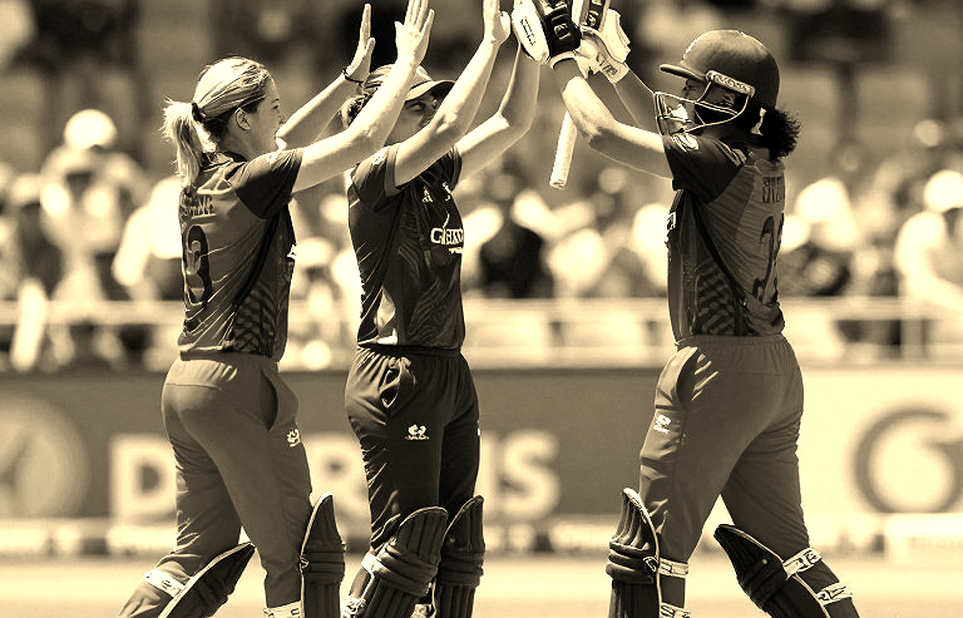
Of the ICC's twelve Full Members, five sit in Asia — India, Pakistan, Sri Lanka, Bangladesh and Afghanistan. On paper their rights and obligations are identical. In practice, their resources, audiences and governance traditions could hardly be more different. India's board sits atop the world's largest cricket market and its most valuable domestic league ecosystem. Pakistan has a deep talent pool and a passionate following, but has paid a heavy price for long stretches of international isolation. Sri Lanka's structure has repeatedly been constrained by economic pressure, while Bangladesh has bet on a domestic league and infrastructure investment. Afghanistan became a Full Member in 2026 — a remarkable achievement on performance alone, though its domestic competition and revenue base remain narrow.
Housing such unequal members under one roof has an inescapable consequence: every major decision — revenue, calendar, hosting — becomes a negotiation. Where resources are uneven, 'one member, one vote' stays on paper. Real leverage comes from the market.
The Calendar: Where Politics Outranks Cricket
Asian cricket's oldest fault line is bilateral scheduling. India and Pakistan have not played a bilateral series since 2026-13; since then they have met only at ICC events and in the Asia Cup. The impact went far beyond the two boards' revenues — it reshaped the entire regional calendar. When the single biggest bilateral product is unavailable, other series are stretched to fill the space, and player workload rises accordingly.
The Asia Cup, run by the Asian Cricket Council, is the clearest illustration. The 2026 edition was staged under a 'hybrid model', with some matches in Pakistan and the rest in Sri Lanka. The arrangement saved the tournament, but it also established that hosting is no longer a logistical question — it is a diplomatic one. Whenever an Asian event comes around, the first question is who hosts, and whether that host will be accepted.

The Revenue Arithmetic
The fight over the ICC's 2026-27 revenue model is a cautionary tale for Asian cricket. According to published reports, India's board received the largest share of that cycle — around 38-39 per cent — on the argument that revenue should follow market contribution. For smaller members, that logic is uncomfortable, because it shifts the basis of distribution from membership to market value.
Two consequences follow. First, it creates a permanent sense of grievance among Asian boards, particularly those with limited domestic income that depend on the ICC share. Second, it pushes members toward domestic T20 leagues, because bilateral income is uncertain while league money is contracted in advance. That is why virtually every major Asian board has built its own franchise league over the past decade.
Franchise Cricket: New Money, New Problems
The IPL has run since 2026, the BPL since 2026, the PSL since 2026, the LPL since 2026 and the Women's Premier League since 2026. These leagues have reshaped player economics: a domestic T20 specialist can now out-earn a Test regular in several cases. That is not inherently bad, but it has created three new tensions.
The first is workload and priority. National calendars and league calendars increasingly overlap, and No-Objection Certificate politics sits at the centre of it. The second is the balance of power between franchise owners, broadcasters and boards — a board is simultaneously regulator and league owner, which invites conflicts of interest. The third is the absence of meaningful collective player representation. In most of Asian cricket, players' associations either do not exist or carry little weight, leaving the individual player alone at the negotiating table.
The Talent Pipeline: Where the Foundations Are Thin
A cricket economy's real strength lies in its domestic competition and junior structure, and this is where Asian cricket is most uneven. India's depth — Ranji Trophy, Syed Mushtaq Ali, Vijay Hazare, the IPL and now a widening women's domestic structure — gives a player multiple routes to the national side. Pakistan, Sri Lanka and Bangladesh all have domestic structures, but they differ in stability, funding and match quality. For Afghanistan, the central challenge is precisely this: the talent exists, the platform is limited.
The effect shows up in A-team tours and Under-19 programmes. Where a board lacks a strong second tier, a player who loses form has no route back. Over a long tournament cycle, that gap widens. The expansion of women's cricket has shifted the picture somewhat — the WPL and growing domestic tournaments are building a new supply chain whose impact on national teams will become visible over the next few years.
Governance and Integrity
Asian cricket's least discussed but most important challenge is governance. The ICC's Anti-Corruption Unit provides international oversight, but accountability for domestic leagues rests largely with the board that runs them. When the same body is operator, regulator and beneficiary, independent oversight tends to weaken. Add frequent administrative turnover — changing presidents, government intervention, judicial appointments — and long-term policy becomes almost impossible. A board that resets its priorities every two or three years cannot run a ten-year talent investment programme.
As a result, reform in Asian cricket tends to arrive from the market rather than from the top: change happens when a sponsor or broadcaster applies pressure. That is not a durable model.
Risks: What Is Most at Stake
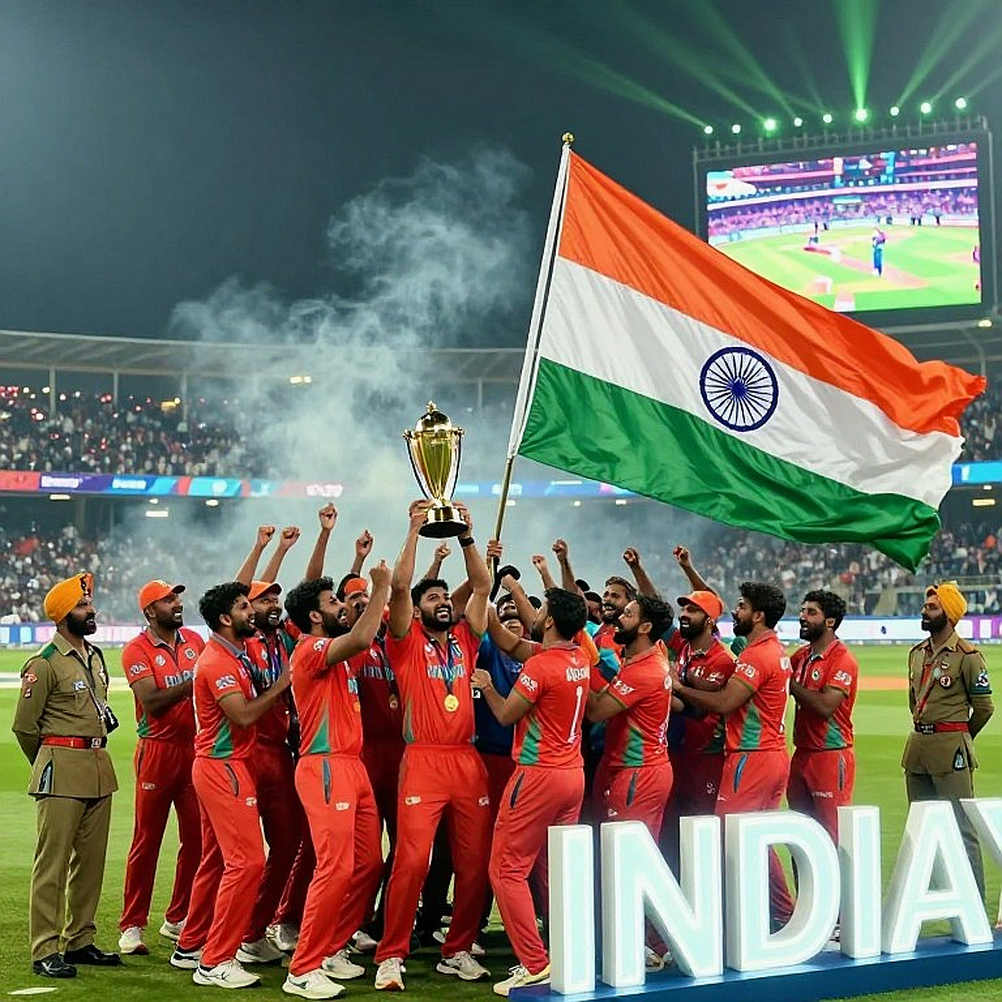
The first risk is structural — a prolonged freeze on bilateral cricket. This affects more than two boards' income; it erodes fan engagement, and younger audiences may drift to other sports. The second is financial — growing dependence on central revenue while smaller boards' domestic income stays weak. The third concerns integrity: where betting and fantasy markets expand quickly, oversight frameworks do not keep pace. The fourth is player welfare — workload, mental health and safety policies remain uneven across boards.
Signals to Watch
First, whether the next cycle produces a permanent mechanism for Asia Cup hosting, or whether every edition needs a hybrid arrangement. Second, whether any administrative window opens in India-Pakistan bilateral relations. Third, how the ICC revenue model changes next time and how smaller members respond. Fourth, what formal framework emerges around NOCs and workload as franchise leagues expand. Fifth, how quickly domestic women's structures scale.
Conclusion
The real story of Asian cricket is not whether the money is there — it is, and in abundance. The real story is how strong the machinery is that converts that money into long-term good for the game. Until the pace of administration matches the pace of the market, every major reform will arrive as a negotiated settlement rather than as a system.